
Packages (Simulation)
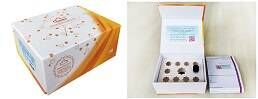
Image (II)
-
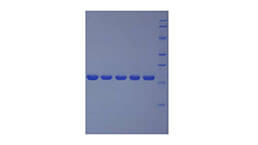
 SDS-PAGE Image
Quality Guarantee

Certificate

Active Peroxisomal D3, D2-Enoyl Coenzyme A Isomerase (PECI)
ACBD2; DRS1; HCA88; ECI2; Diazepam-binding inhibitor-related protein 1; Acyl-Coenzyme A Binding Domain Containing 2; Hepatocellular Carcinoma-Associated Antigen 88
- Product No.APD694Ra01
- Organism SpeciesRattus norvegicus (Rat) Same name, Different species.
- Buffer FormulationPBS, pH7.4, containing 0.01% SKL, 5% Trehalose.
- Traits Freeze-dried powder
- Purity> 95%
- Isoelectric Pointn/a
- ApplicationsCell culture; Activity Assays.
- Downloadn/a
- UOM 10µg50µg 200µg 1mg 5mg
- FOB
US$ 152
US$ 380
US$ 760
US$ 2280
US$ 5700
For more details, please contact local distributors!
ACTIVITY TEST

USAGE
Reconstitute in PBS or others.
STORAGE
Avoid repeated freeze/thaw cycles. Store at 2-8°C for one month. Aliquot and store at -80°C for 12 months.
STABILITY
The thermal stability is described by the loss rate. The loss rate was determined by accelerated thermal degradation test, that is, incubate the protein at 37°C for 48h, and no obvious degradation and precipitation were observed. The loss rate is less than 5% within the expiration date under appropriate storage condition.
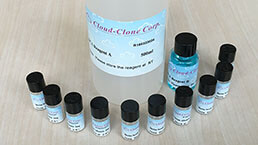
GIVEAWAYS
INCREMENT SERVICES
-
 BCA Protein Quantification Kit
-
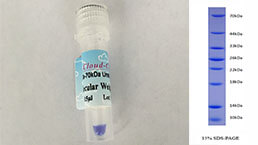 Molecular Mass Marker for Protein
-
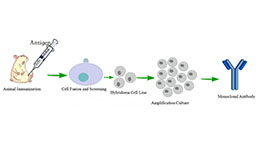 Monoclonal Antibody Customized Service
-
 Polyclonal Antibody Customized Service
-
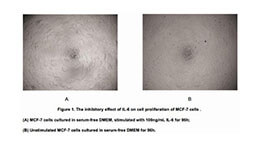 Protein Activity Test Experiment Service
-
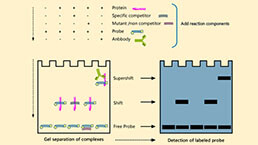 Electrophoretic Mobility Shift Assay (EMSA) Experiment Service
-
 Buffer
-
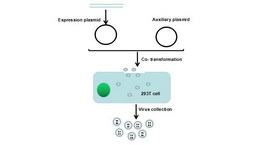 Lentivirus Packaging Experiment Service
-
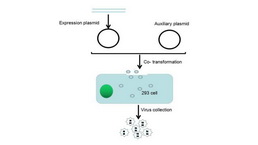 Adenovirus Packaging Experiment Service
-
 Real Time PCR Experimental Service
-
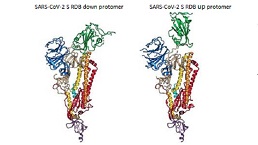 Spike RBD Protein (S-RBD)
-
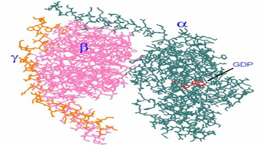 Protein G
-
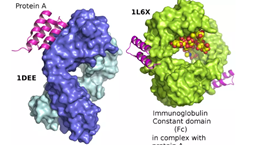 Protein A
| Catalog No. | Related products for research use of Rattus norvegicus (Rat) Organism species | Applications (RESEARCH USE ONLY!) |
| RPD694Ra01 | Recombinant Peroxisomal D3, D2-Enoyl Coenzyme A Isomerase (PECI) | Positive Control; Immunogen; SDS-PAGE; WB. |
| APD694Ra01 | Active Peroxisomal D3, D2-Enoyl Coenzyme A Isomerase (PECI) | Cell culture; Activity Assays. |
| PAD694Ra01 | Polyclonal Antibody to Peroxisomal D3, D2-Enoyl Coenzyme A Isomerase (PECI) | WB; IHC; ICC; IP. |