
Packages (Simulation)
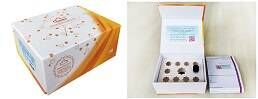
Image (II)
-
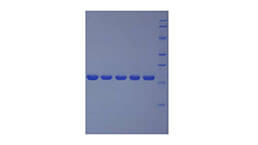
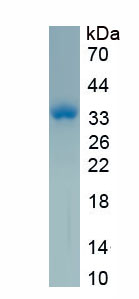 SDS-PAGE Image
Quality Guarantee

Certificate

Active Insulin Like Growth Factor Binding Protein 2 (IGFBP2)
IBP2; IGF-BP53
- Product No.APA053Ra61
- Organism SpeciesRattus norvegicus (Rat) Same name, Different species.
- Buffer FormulationPBS, pH7.4, containing 0.01% SKL, 1mM DTT, 5% Trehalose and Proclin300.
- Traits Freeze-dried powder
- Purity> 90%
- Isoelectric Point7.1
- ApplicationsCell culture; Activity Assays.
- Downloadn/a
- UOM 10µg50µg 200µg 1mg 5mg
- FOB
US$ 232
US$ 580
US$ 1160
US$ 3480
US$ 8700
For more details, please contact local distributors!
ACTIVITY TEST
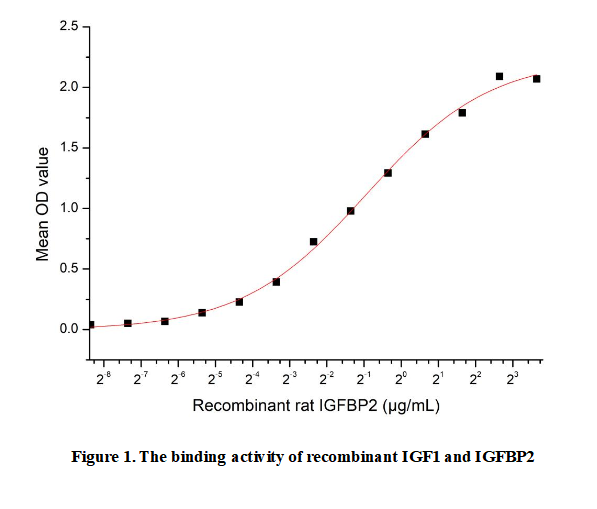
Insulin Like Growth Factor Binding Protein 2 (IGFBP2) is a member of the IGFBP superfamily, encoded by the IGFBP2 gene, with conserved cysteine-rich domains for IGF binding. Widely expressed in tissues like the liver, brain, and bone, it regulates the bioavailability and activity of insulin-like growth factors (IGFs) in physiological processes such as development, growth, and metabolism. Beyond IGF modulation, IGFBP2 exerts IGF-independent functions, including cell proliferation, migration, and differentiation, and its dysregulation is linked to cancer, metabolic disorders, and neurological diseases. As a key IGF regulatory protein, it modulates IGF signaling networks to maintain tissue homeostasis. IGFBP2 binds specifically to IGF1 with high affinity, sequestering it to control its bioavailability and downstream signaling.Briefly, IGF1 was diluted serially in PBS with 0.01% BSA (pH 7.4). Duplicate samples of 100 μl were then transferred to IGFBP2-coated microtiter wells and incubated for 1h at 37℃. Wells were washed with PBST and incubated for 1h with anti-IGF1 pAb, then aspirated and washed 3 times. After incubation with HRP labelled secondary antibody for 1h at 37℃, wells were aspirated and washed 5 times. With the addition of substrate solution, wells were incubated 15-25 minutes at 37℃. Finally, add 50 µL stop solution to the wells and read at 450/630nm immediately.Measured by its binding ability in a functional ELISA. When Recombinant IGFBP2 is lmmobilized at 2 µg/mL(100 uLwell), the concentration of IGF1 that produces 50% optimal bindingresponse is found to be approximately 0.523 µg/mL.
USAGE
Reconstitute in 10mM PBS (pH7.4) to a concentration of 0.1-1.0 mg/mL. Do not vortex.
STORAGE
Avoid repeated freeze/thaw cycles. Store at 2-8°C for one month. Aliquot and store at -80°C for 12 months.
STABILITY
The thermal stability is described by the loss rate. The loss rate was determined by accelerated thermal degradation test, that is, incubate the protein at 37°C for 48h, and no obvious degradation and precipitation were observed. The loss rate is less than 5% within the expiration date under appropriate storage condition.
GIVEAWAYS
INCREMENT SERVICES
-
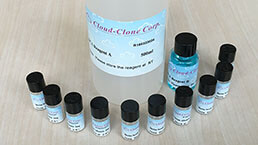 BCA Protein Quantification Kit
-
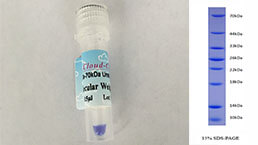 Molecular Mass Marker for Protein
-
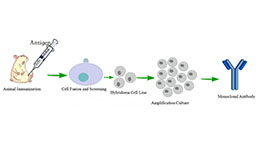 Monoclonal Antibody Customized Service
-
 Polyclonal Antibody Customized Service
-
 Protein Activity Test Experiment Service
-
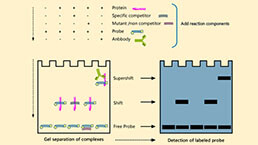 Electrophoretic Mobility Shift Assay (EMSA) Experiment Service
-
 Buffer
-
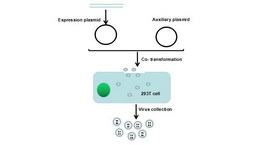 Lentivirus Packaging Experiment Service
-
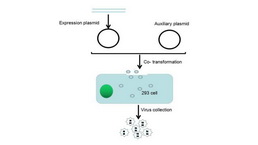 Adenovirus Packaging Experiment Service
-
 Real Time PCR Experimental Service
-
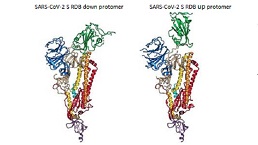 Spike RBD Protein (S-RBD)
-
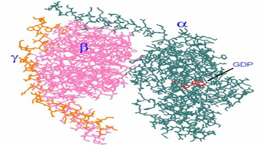 Protein G
-
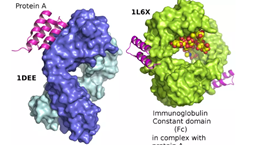 Protein A
| Magazine | Citations |
| British journal of cancer | A combined biomarker panel shows improved sensitivity for the early detection of ovarian cancer allowing the identification of the most aggressive type II tumours. pubmed:28664912 |
| Experimental and Therapeutic Medicine | Identification and validation of differentially expressed proteins in serum of CSU patients with different duration of wheals using an iTRAQ labeling, 2D‑LC‑MS/MS Doi: 10.3892/etm.2018.6818 |
| Nutrition and Cancer | Serum IGFBP2 Level Is a New Candidate Biomarker of Severe Malnutrition in Advanced Lung Cancer Pubmed: 32286106 |