
Packages (Simulation)
Image (II)
-
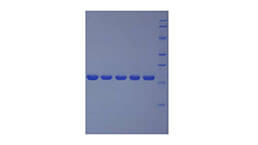
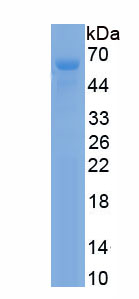 Figure. SDS-PAGE
-
 WB Image
Quality Guarantee

Instruction Manual

Certificate

Active Cytochrome P450 3A4 (CYP3A4)
CYP3A3; CYPIIIA4; 1,8-cineole 2-exo-monooxygenase; Albendazole sulfoxidase; Nifedipine oxidase; Quinine 3-monooxygenase; Taurochenodeoxycholate 6-alpha-hydroxylase
- Product No.APD299Hu01
- Organism SpeciesHomo sapiens (Human) Same name, Different species.
- Buffer FormulationPBS, pH7.4, containing 0.01% SKL, 5% Trehalose.
- Traits Freeze-dried powder
- Purity> 90%
- Isoelectric Point8.2
- ApplicationsCell culture; Activity Assays.
- DownloadInstruction Manual
- UOM 10µg50µg 200µg 1mg 5mg
- FOB
US$ 317
US$ 792
US$ 1584
US$ 4752
US$ 11880
For more details, please contact local distributors!
ACTIVITY TEST
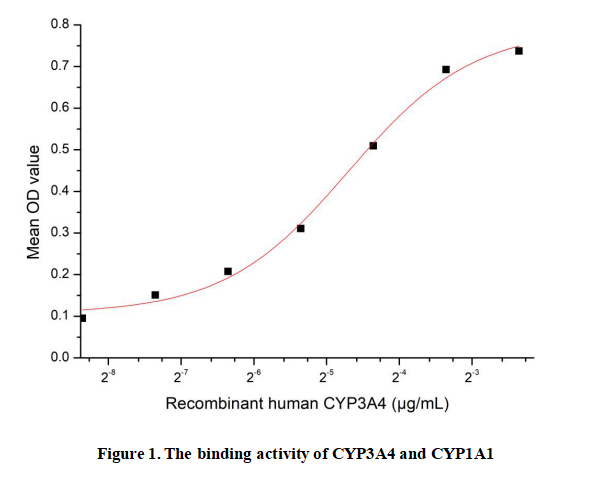
Cytochrome P450 3A4 (CYP3A4), a member of the cytochrome P450 superfamily of heme - containing enzymes, is predominantly expressed in the human liver and small intestine, serving as a key player in xenobiotic metabolism and endobiotic biotransformation. It catalyzes the oxidation of over 50% of clinically used drugs, including statins, immunosuppressants, and anticancer agents, by adding oxygen atoms to hydrophobic substrates, thereby facilitating their excretion. CYP3A4 expression and activity are highly variable among individuals due to genetic polymorphisms, environmental inducers (e.g., rifampicin, phenobarbital) and inhibitors (e.g., ketoconazole, grapefruit juice). Beyond drug metabolism, it participates in the breakdown of endogenous compounds such as steroids and bile acids, maintaining physiological homeostasis. Notably, CYP3A4 and CYP1A1, both phase I metabolic enzymes, exhibit potential functional binding to synergistically modulate the metabolism of shared substrates, with their interaction being a critical part of the hepatic metabolic network.To detect the activity of recombinant CYP3A4, a functional ELISA assay was performed to evaluate the interaction between recombinant human CYP3A4 and recombinant human CYP1A1.Briefly, biotin-linked CYP3A4 were diluted serially in PBS, with 0.01% BSA (pH 7.4). Duplicate samples of 100µl were then transferred to CYP1A1-coated microtiter wells and incubated for 1h at 37℃. Wells were washed with PBST 3 times and incubation with Streptavidin-HRP for 30min, then wells were aspirated and washed 5 times. With the addition of substrate solution, wells were incubated 15-25 minutes at 37℃. Finally, add 50µl stop solution to the wells and read at 450nm immediately. The binding activity of CYP3A4 and CYP1A1 was shown in Figure 1, the EC50 for this effect is 0.03849µg/mL..
USAGE
Reconstitute in ddH2O to a concentration of 0.1-0.2 mg/mL. Do not vortex.
STORAGE
Avoid repeated freeze/thaw cycles. Store at 2-8°C for one month. Aliquot and store at -80°C for 12 months.
STABILITY
The thermal stability is described by the loss rate. The loss rate was determined by accelerated thermal degradation test, that is, incubate the protein at 37°C for 48h, and no obvious degradation and precipitation were observed. The loss rate is less than 5% within the expiration date under appropriate storage condition.
GIVEAWAYS
INCREMENT SERVICES
-
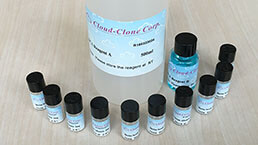 BCA Protein Quantification Kit
-
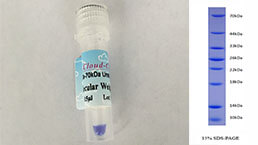 Molecular Mass Marker for Protein
-
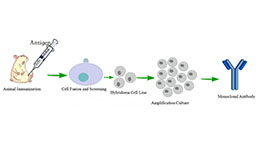 Monoclonal Antibody Customized Service
-
 Polyclonal Antibody Customized Service
-
 Protein Activity Test Experiment Service
-
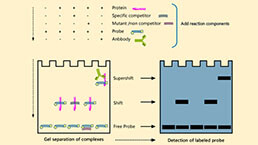 Electrophoretic Mobility Shift Assay (EMSA) Experiment Service
-
 Buffer
-
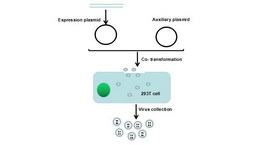 Lentivirus Packaging Experiment Service
-
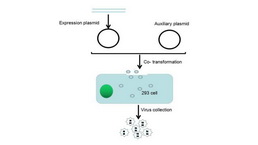 Adenovirus Packaging Experiment Service
-
 Real Time PCR Experimental Service
-
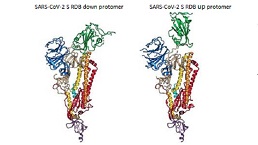 Spike RBD Protein (S-RBD)
-
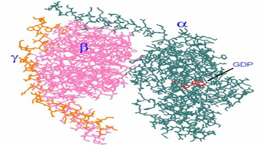 Protein G
-
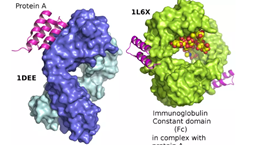 Protein A
| Magazine | Citations |
| Toxicology | Liver lobe and strain differences in the activity of murine cytochrome p450 enzymes Pubmed:29879457 |
| Stammesspezifische Unterschiede in der analgetischen Wirkung von Buprenorphin bei der Maus |
| Catalog No. | Related products for research use of Homo sapiens (Human) Organism species | Applications (RESEARCH USE ONLY!) |
| RPD299Hu01 | Recombinant Cytochrome P450 3A4 (CYP3A4) | Positive Control; Immunogen; SDS-PAGE; WB. |
| APD299Hu01 | Active Cytochrome P450 3A4 (CYP3A4) | Cell culture; Activity Assays. |
| PAD299Hu01 | Polyclonal Antibody to Cytochrome P450 3A4 (CYP3A4) | WB; IHC |
| MAD299Hu21 | Monoclonal Antibody to Cytochrome P450 3A4 (CYP3A4) | WB; IHC; ICC; IP. |
| SED299Hu | ELISA Kit for Cytochrome P450 3A4 (CYP3A4) | Enzyme-linked immunosorbent assay for Antigen Detection. |
| LMD299Hu | Multiplex Assay Kit for Cytochrome P450 3A4 (CYP3A4) ,etc. by FLIA (Flow Luminescence Immunoassay) | FLIA Kit for Antigen Detection. |
| CMD299Hu | Multiplex Assay Kit for Cytochrome P450 3A4 (CYP3A4) ,etc. by CBA (Cytometric Bead Array) | FLIA Kit for Antigen Detection. |