
Packages (Simulation)
Image (II)
-
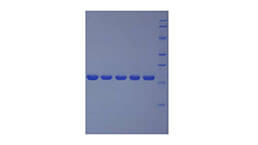
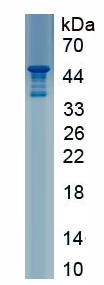 Figure. SDS-PAGE
Quality Guarantee

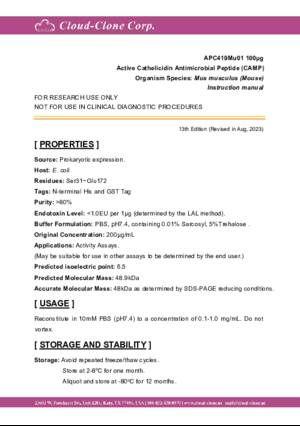
Instruction Manual
Certificate

Active Cathelicidin Antimicrobial Peptide (CAMP)
CAP18; FALL39; HSD26; LL37; 18 kDa Cationic Antimicrobial Protein; Antibacterial protein FALL-39; FALL-39 peptide antibiotic
- Product No.APC419Mu01
- Organism SpeciesMus musculus (Mouse) Same name, Different species.
- Buffer FormulationPBS, pH7.4, containing 0.01% SKL, 5% Trehalose.
- Traits Freeze-dried powder
- Purity> 80%
- Isoelectric Point6.5
- ApplicationsCell culture; Activity Assays.
- DownloadInstruction Manual
- UOM 10µg50µg 200µg 1mg 5mg
- FOB
US$ 214
US$ 535
US$ 1070
US$ 3210
US$ 8025
For more details, please contact local distributors!
ACTIVITY TEST
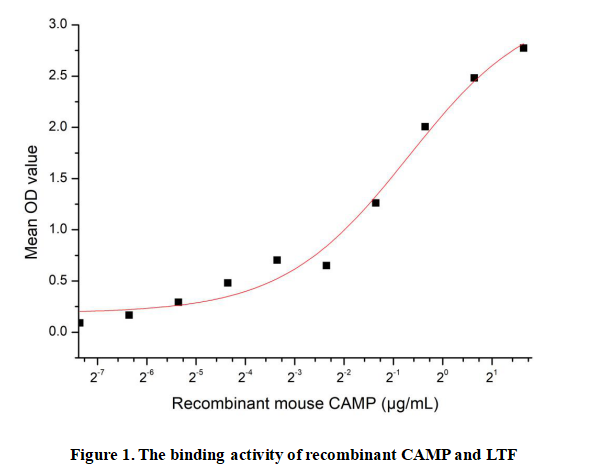
Cathelicidin Antimicrobial Peptide (CAMP) is a cationic host defense peptide predominantly expressed in neutrophils, epithelial cells, and keratinocytes, with a conserved cathelin domain at the N-terminus and a variable antimicrobial domain at the C-terminus. It exerts broad-spectrum antimicrobial activity against bacteria, fungi, and viruses by disrupting microbial cell membranes, and also modulates the host immune response by regulating cytokine secretion, promoting immune cell recruitment, and enhancing wound healing. CAMP plays a critical role in innate immunity, bridging the gap between innate and adaptive immune systems. Abnormal CAMP expression is associated with inflammatory disorders, skin diseases, and infectious pathologies, making it a promising target for developing antimicrobial therapeutics. CAMP interacts with lactoferrin (LTF) to synergistically enhance antimicrobial efficacy and immune regulatory functions.Thus a functional ELISA assay was conducted to detect the interaction of recombinant mouse CAMP and recombinant human LTF. Briefly, CAMP was diluted serially in PBS with 0.01% BSA (pH 7.4). Duplicate samples of 100 μl were then transferred to LTF-coated microtiter wells and incubated for 1h at 37℃. Wells were washed with PBST and incubated for 1h with anti-CAMP pAb, then aspirated and washed 3 times. After incubation with HRP labelled secondary antibody for 1h at 37℃, wells were aspirated and washed 5 times. With the addition of substrate solution, wells were incubated 15-25 minutes at 37℃. Finally, add 50 µL stop solution to the wells and read at 450/630nm immediately. The binding activity of recombinant mouse CAMP and recombinant human LTF was shown in Figure 1, the EC50 for this effect is 0.612µg/mL.
USAGE
Reconstitute in 10mM PBS (pH7.4) to a concentration of 0.1-1.0 mg/mL. Do not vortex.
STORAGE
Avoid repeated freeze/thaw cycles. Store at 2-8°C for one month. Aliquot and store at -80°C for 12 months.
STABILITY
The thermal stability is described by the loss rate. The loss rate was determined by accelerated thermal degradation test, that is, incubate the protein at 37°C for 48h, and no obvious degradation and precipitation were observed. The loss rate is less than 5% within the expiration date under appropriate storage condition.
GIVEAWAYS
INCREMENT SERVICES
-
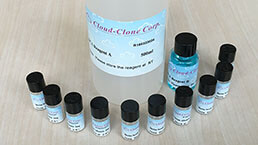 BCA Protein Quantification Kit
-
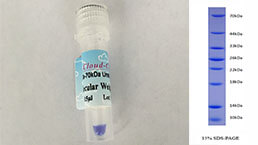 Molecular Mass Marker for Protein
-
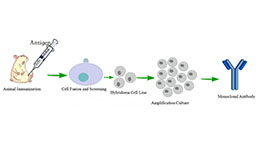 Monoclonal Antibody Customized Service
-
 Polyclonal Antibody Customized Service
-
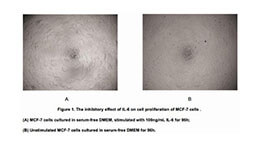 Protein Activity Test Experiment Service
-
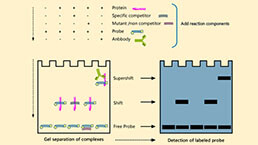 Electrophoretic Mobility Shift Assay (EMSA) Experiment Service
-
 Buffer
-
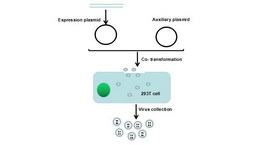 Lentivirus Packaging Experiment Service
-
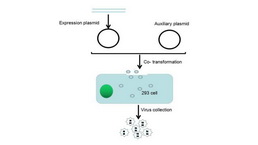 Adenovirus Packaging Experiment Service
-
 Real Time PCR Experimental Service
-
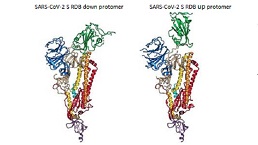 Spike RBD Protein (S-RBD)
-
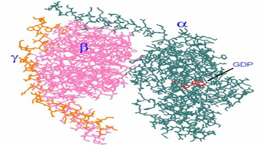 Protein G
-
 Protein A
| Magazine | Citations |
| University of Waikato | The Assessment of Vitamin D, Antimicrobial Peptides and Procalcitonin in Bronchiectasis Waikato:Source |
| Clin Infect Dis. | Host immune response to tuberculous meningitis Pubmed:25301213 |
| Vaccine | On birth single dose live attenuated OPV and BCG vaccination induces gut cathelicidin LL37 responses at 6 week of age: A natural experiment Pubmed:25444792 |
| Urology | Modulating the Internalization of Bacille Calmette-Guérin by Cathelicidin in Bladder Cancer Cells Pubmed:25681250 |
| Urology | Modulating the Internalization of Bacille Calmette-Guérin by Cathelicidin in Bladder Cancer Cells PubMed: 25681250 |
| Sarcoidosis Vasc Diffuse Lung Dis | Cathelicidin as a link between sarcoidosis and tuberculosis PubMed: 26422567 |
| Allergy and Asthma Proceedings | The association of vitamin D, cathelicidin, and vitamin D binding protein with acute asthma attacks in children PubMed: 26108071 |
| J Clin Microbiol. | Swiftly Decreasing Cerebrospinal Fluid Cathelicidin Concentration Predicts Improved Outcome in Childhood Bacterial Meningitis. Pubmed:27008883 |
| experimental dermatology | Light-emitting diodes downregulate cathelicidin, kallikrein and toll-like receptor 2 expressions in keratinocytes and rosacea-like mouse skin. pubmed:27315464 |
| PLOS ONE | Reduced Expression of the Extracellular Calcium-Sensing Receptor (CaSR) Is Associated withActivation of the Renin-Angiotensin System (RAS) to Promote Vascular Remodeling in the Pathogenesis of Essential Hypertension. pubmed:27391973 |
| Front Pharmacol. | Ginsenoside Rg5 Inhibits Succinate-Associated Lipolysis in Adipose Tissue and Prevents Muscle Insulin Resistance. pubmed:28261091 |
| Allergologia et immunopathologia | The relation of innate and adaptive immunity with viral-induced acute asthma attacks: Focusing on IP-10 and cathelicidin pubmed:27955890 |
| Chinese Journal of Osteoporosis and Bone Mineral Research | Effects of cold exposure on the bone marrow adipose tissue DOI: 10.3969/j.issn.1674-2591.2017.05.008 |
| Scientific Reports | Measurements of AMPs in stratum corneum of atopic dermatitis and healthy skin–tape stripping technique Pubmed:29374283 |
| Experimental Parasitology | Antimalarial activity of vitamin D3 (VD3) does not result from VD3-induced antimicrobial agents including nitric oxide or cathelicidin Pubmed: 30904694 |
| Theranostics | Myeloid cell-derived LL-37 promotes lung cancer growth by activating Wnt/β-catenin signaling Pubmed: 31149039 |
| INTERNATIONAL JOURNAL OF MOLECULAR SCIENCES | Short-Term versus Long-Term Culture of A549 Cells for Evaluating the Effects of Lipopolysaccharide on Oxidative Stress, Surfactant Proteins and Cathelicidin LL-37 Pubmed: 32050475 |
| MICROB PATHOGENESIS | Hypovitaminosis D and reduced cathelicidin are strongly correlated during the multidrug therapy against leprosy Pubmed: 32645421 |
| International Journal of Nanomedicine | Effect of Lonicerae japonicae Flos Carbonisata-Derived Carbon Dots on Rat Models of Fever and Hypothermia Induced by Lipopolysaccharide Pubmed: 32606669 |
| 博士论文 | Relações causais entre a expressão dos genes do receptor de Vitamina D e do Peptídeo Antimicrobiano Catelicidina sobre marcadores sorológicos de pessoas com … |
| PLoS One | Beneficial impact of cathelicidin on hypersensitivity pneumonitis treatment¡ªIn vivo studies 33999928 |
| New Med | Analysis of the level of non-specific and specific immunity parameters in saliva of children with osteogenesis imperfecta and study of relationships between?¡ |
| Type I interferons link skin-associated dysbiotic commensal bacteria to pathogenic inflammation and angiogenesis in rosacea | |
| Int J Mol Sci | Compartmentalized Innate Immune Response of Human Fetal Membranes against Escherichia coli Choriodecidual Infection Pubmed:35328414 |
| Cell Rep | LL-37 transports immunoreactive cGAMP to activate STING signaling and enhance interferon-mediated host antiviral immunity Pubmed:35649354 |