
Packages (Simulation)
Image (II)
-
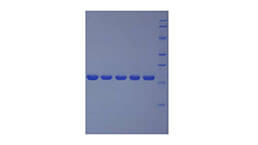
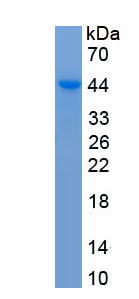 Figure. SDS-PAGE
Quality Guarantee

Instruction Manual
Certificate
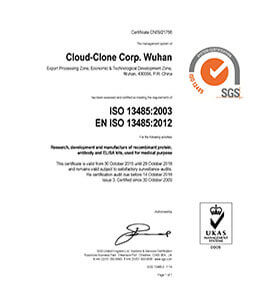
Active Activating Transcription Factor 4 (ATF4)
TAXREB67; TXREB; CREB-2; DNA-binding protein TAXREB67; Cyclic AMP-responsive element-binding protein 2; Tax-responsive enhancer element-binding protein 67
- Product No.APB385Hu01
- Organism SpeciesHomo sapiens (Human) Same name, Different species.
- Buffer FormulationPBS, pH7.4, containing 0.01% SKL, 5% Trehalose.
- Traits Freeze-dried powder
- Purity> 90%
- Isoelectric Point4.6
- ApplicationsCell culture; Activity Assays.
- DownloadInstruction Manual
- UOM 10µg50µg 200µg 1mg 5mg
- FOB
US$ 232
US$ 580
US$ 1160
US$ 3480
US$ 8700
For more details, please contact local distributors!
ACTIVITY TEST
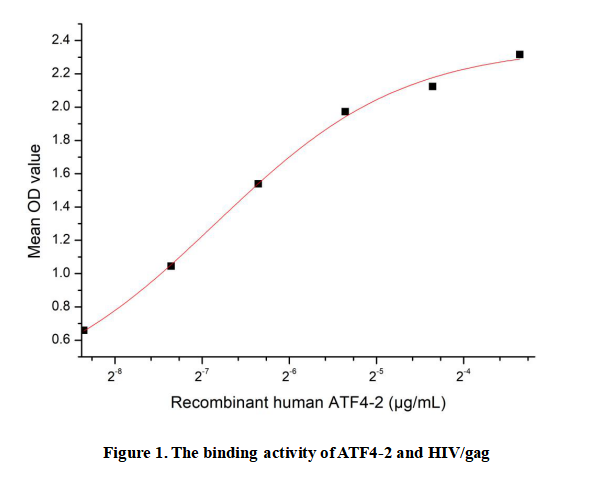
ATF4-2, a variant of the activating transcription factor 4 (ATF4), belongs to the bZIP family and acts as a key mediator of cellular stress responses. Encoded by the ATF4 gene, it harbors a basic DNA-binding region and a leucine zipper dimerization motif, regulating target gene transcription by binding to cAMP response elements (CREs). It is ubiquitously expressed and central to pathways like amino acid metabolism, oxidative stress adaptation, and endoplasmic reticulum unfolded protein response. Dysregulated ATF4-2 is linked to metabolic disorders, neurodegenerative diseases, and cancers, while its role in viral infections involves hijacking by pathogens. ATF4-2 interacts with HIV1/gag, the viral structural polyprotein, potentially facilitating viral assembly and enhancing HIV-1 replication through transcriptional activation.To detect the activity of recombinant ATF4-2, a functional ELISA assay was performed to evaluate the interaction between recombinant human ATF4-2 and recombinant human HIV/gag. Briefly, biotin-linked ATF4-2 were diluted serially in PBS, with 0.01% BSA (pH 7.4). Duplicate samples of 100µl were then transferred to HIV/gag-coated microtiter wells and incubated for 1h at 37℃. Wells were washed with PBST 3 times and incubation with Streptavidin-HRP for 30min, then wells were aspirated and washed 5 times. With the addition of substrate solution, wells were incubated 15-25 minutes at 37℃. Finally, add 50µl stop solution to the wells and read at 450nm immediately. The binding activity of ATF4-2 and HIV/gag was shown in Figure 1, the EC50 for this effect is 0.0087µg/mL.
USAGE
Reconstitute in 10mM PBS (pH7.4) to a concentration of 0.1-1.0 mg/mL. Do not vortex.
STORAGE
Avoid repeated freeze/thaw cycles. Store at 2-8°C for one month. Aliquot and store at -80°C for 12 months.
STABILITY
The thermal stability is described by the loss rate. The loss rate was determined by accelerated thermal degradation test, that is, incubate the protein at 37°C for 48h, and no obvious degradation and precipitation were observed. The loss rate is less than 5% within the expiration date under appropriate storage condition.
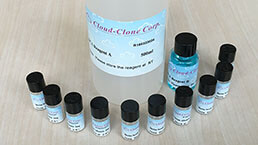
GIVEAWAYS
INCREMENT SERVICES
-
 BCA Protein Quantification Kit
-
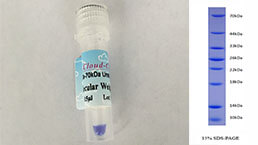 Molecular Mass Marker for Protein
-
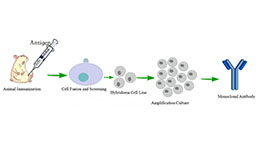 Monoclonal Antibody Customized Service
-
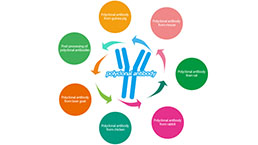 Polyclonal Antibody Customized Service
-
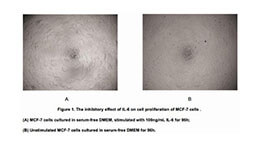 Protein Activity Test Experiment Service
-
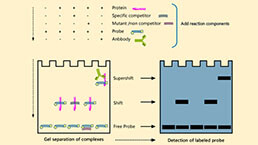 Electrophoretic Mobility Shift Assay (EMSA) Experiment Service
-
 Buffer
-
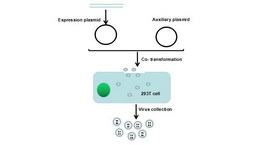 Lentivirus Packaging Experiment Service
-
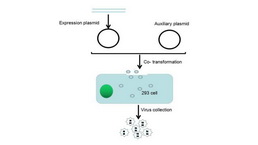 Adenovirus Packaging Experiment Service
-
 Real Time PCR Experimental Service
-
 Spike RBD Protein (S-RBD)
-
 Protein G
-
 Protein A
| Magazine | Citations |
| Eur J Pharmacol | Lutein activates downstream signaling pathways of unfolded protein response in hyperglycemic ARPE-19 cells 34861209 |