
Packages (Simulation)
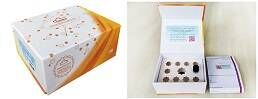
Image (II)
-
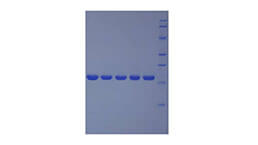
 Figure. SDS-PAGE
Quality Guarantee

Instruction Manual
Certificate

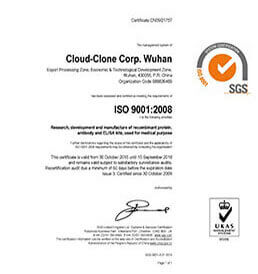
Active Vascular Endothelial Growth Factor 165 (VEGF165)
- Product No.APB696Hu61
- Organism SpeciesHomo sapiens (Human) Same name, Different species.
- Buffer FormulationPBS, pH7.4, containing 5% Trehalose.
- Traits Freeze-dried powder
- Purity> 95%
- Isoelectric Point7.6
- ApplicationsCell culture; Activity Assays.
- DownloadInstruction Manual
- UOM 10µg50µg 200µg 1mg 5mg
- FOB
US$ 300
US$ 750
US$ 1500
US$ 4500
US$ 11250
For more details, please contact local distributors!
ACTIVITY TEST
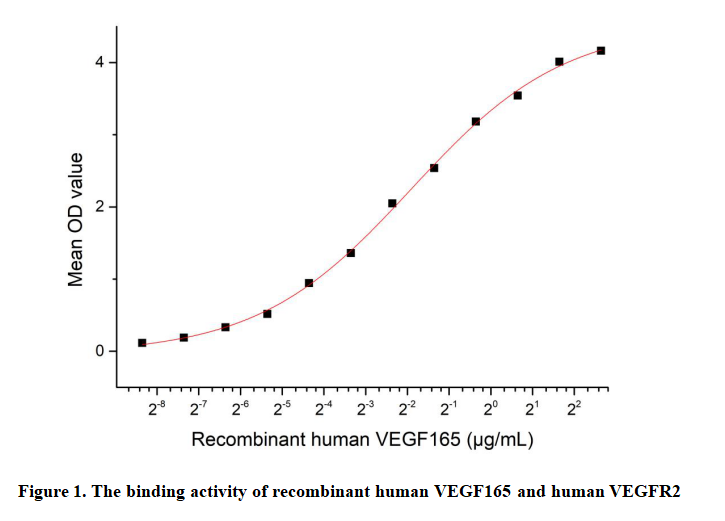
VEGF165, the predominant and most biologically active isoform of vascular endothelial growth factor, is a potent pro‑angiogenic glycoprotein critical for endothelial cell proliferation, migration, survival, and vascular permeability. It is widely expressed in various tissues and plays essential roles in physiological processes such as embryonic development, tissue repair, and endometrial remodeling. Under pathological conditions, dysregulated VEGF165 overexpression drives abnormal angiogenesis in tumors, diabetic retinopathy, rheumatoid arthritis, and other neovascular diseases, making it a central therapeutic target in anti‑angiogenic therapy. VEGF165 specifically binds to VEGFR2 on endothelial cell surfaces, inducing receptor dimerization and downstream signaling activation. Briefly, VEGFR2 was diluted serially in PBS with 0.01% BSA (pH 7.4). Duplicate samples of 100 μl were then transferred to VEGF165-coated microtiter wells and incubated for 1h at 37℃. Wells were washed with PBST and incubated for 1h with anti-VEGFR2 pAb, then aspirated and washed 3 times. After incubation with HRP labelled secondary antibody for 1h at 37℃, wells were aspirated and washed 5 times. With the addition of substrate solution, wells were incubated 15-25 minutes at 37℃. Finally, add 50 µL stop solution to the wells and read at 450/630nm immediately. Measured by its binding ability in a functional ELISA. When recombinant human VEGF165 is lmmobilized at 2 µg/mL(100 µL well), the concentration of VEGFR2 that produces 50% optimal bindingresponse is found to be approximately 0.266 µg/mL.
USAGE
Reconstitute in 10mM PBS (pH7.4) to a concentration of 0.1-1.0 mg/mL. Do not vortex.
STORAGE
Avoid repeated freeze/thaw cycles. Store at 2-8°C for one month. Aliquot and store at -80°C for 12 months.
STABILITY
The thermal stability is described by the loss rate. The loss rate was determined by accelerated thermal degradation test, that is, incubate the protein at 37°C for 48h, and no obvious degradation and precipitation were observed. The loss rate is less than 5% within the expiration date under appropriate storage condition.
GIVEAWAYS
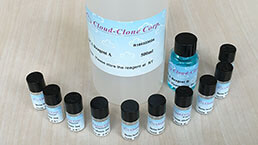
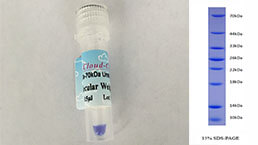
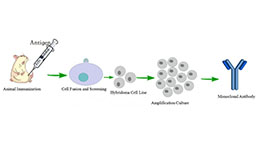
INCREMENT SERVICES

| Magazine | Citations |
| Oncotarget | Prohibitin, relocated to the front ends, can control the migration directionality of colorectal cancer cells. pubmed:29100316 |
| Tissue Eng Regen Med | Osteogenic and Angiogenic Potency of VEGF165-Transfected Canine Bone Marrow Mesenchymal Cells Combined with Coral Hydroxyapatite in Vitro 34302695 |