
Organoid Models and Their Specific Biomarkers: A New Paradigm for In Vitro Validation in Precision Medicine
Organoid Models and Their Specific Biomarkers: A New Paradigm for In Vitro Validation in Precision Medicine
The advancement of precision medicine urgently requires in vitro models that can faithfully recapitulate human physiology and pathology. For decades, researchers have strived to simulate human diseases using various in vitro models and animal models, yet have consistently faced insurmountable bottlenecks. Traditional two-dimensional cell cultures fail to reproduce the three-dimensional tissue microenvironment, while animal models exhibit significant species differences. It is against this backdrop that organoid technology emerged. Since Hans Clevers and colleagues first established three-dimensional epithelial organoids from LGR5⁺ intestinal stem cells in 2009[1], organoid research has entered a trajectory of rapid development. By virtue of their ability to recapitulate the complexity and heterogeneity of human tissues, organoids are reshaping the fundamental paradigms of biomedical research.
1. Overview of Organoid Models
1.1 Definition of Organoids
Organoids are three-dimensional microstructures formed in vitro through the self-organization of stem cells or tissue cells, capable of highly simulating the cellular composition, spatial architecture, and partial physiological functions of real organs. This technology overcomes the limitations of traditional two-dimensional cell cultures, which cannot replicate tissue complexity, and animal models, which suffer from species differences. It provides a more physiologically relevant platform for studying disease mechanisms, personalized drug screening, and toxicity testing. Furthermore, organoids hold promise as a potential source of transplantable material for replacing damaged organs in regenerative medicine, thereby significantly advancing precision medicine and new drug development.
1.2 Cellular Sources of Organoids
The cellular sources for organoids mainly include three categories: First, pluripotent stem cells, such as embryonic stem cells (ESCs) and induced pluripotent stem cells (iPSCs), which can be directed to differentiate and mimic the development of various organs. Second, adult stem cells (ASCs), isolated directly from specific tissues (e.g., intestine, liver, breast), utilize their self-renewal and differentiation capabilities to form organoids of the corresponding tissue. Third, patient-derived tumor tissue or biopsy samples, containing cancer stem cells or tumor cells, can be used to construct tumor organoids for drug screening and personalized therapy research.
1.3 Types of Organoids
Classified by organ type, successfully constructed organoids now encompass nearly all major human organ systems, including liver organoids, cardiac organoids, brain organoids, gastrointestinal organoids, lung organoids, and various tumor organoids. These three-dimensional culture systems demonstrate immense potential in disease modeling, biobanking, studies of tumor initiation and progression, drug testing, immunotherapy development, and regenerative medicine.
2. Specific Validation Biomarkers for Major Types of Organoids
Confirming cellular identity is one of the most core scientific issues in organoid research. The correct selection and application of lineage-specific biomarkers are crucial for validating the differentiation quality of organoids and assessing their physiological relevance. In organoids, the differentiation state of cells is not static—pluripotent stem cell-derived organoids typically undergo a dynamic transition from a stem/progenitor cell phenotype to a mature cell phenotype, and the temporal dynamics of biomarker expression directly impact the judgment of organoid "maturity."
2.1 Brain Organoids
In brain organoid models, the specialization of different brain regions is precisely regulated by region-specific transcription factors and secreted factors, identifiable through unique biomarkers. Early neuroepithelial progenitors highly express the transcription factor SOX2, while radial glial cells characteristically express PAX6. These progenitors further differentiate into intermediate progenitor cells marked by TBR2. As neurons mature, early neurons broadly express TUBB3. Mature cortical neurons, depending on subtype, express CTIP2 and TBR1 in deep layers and SATB2 in superficial layers. Ventrally derived interneurons specifically express NKX2.1. Astrocytes express GFAP, oligodendrocyte precursor cells express OLIG2, and mature oligodendrocytes express MBP. Additionally, choroid plexus cells specifically express TTR.
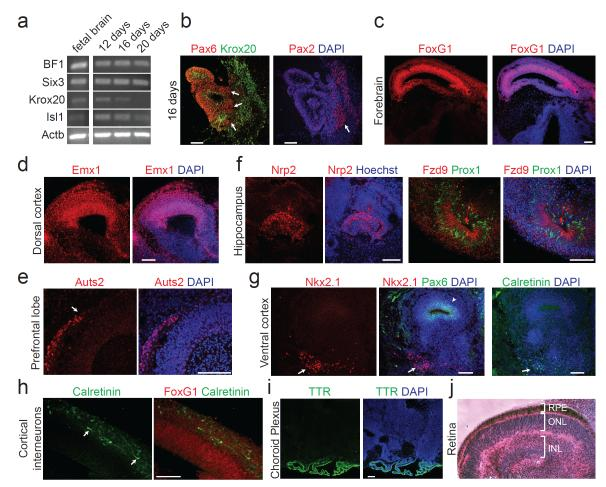
Fig.1 Human brain organoids can reproduce the characteristics of various regions of the brain
(The figure is sourced from Nature[2])
2.2 Liver Organoids
Liver organoid models can simulate liver development, where cells at different differentiation stages possess specific biomarkers: Hepatic progenitor cells, as multipotent precursors, highly express EpCAM, CK19, and AFP, indicating their bidirectional differentiation potential. Upon further differentiation, mature hepatocytes specifically express ALB, HNF4α, and CYP3A4, markers that collectively reflect the synthetic and detoxification functions of hepatocytes. Cholangiocytes define their identity through the expression of SOX9, CK7, and CK19. Furthermore, non-parenchymal cells have been successfully integrated into advanced organoid models: Hepatic stellate cells express GFAP and DES, driving fibrotic processes upon activation. Kupffer cells, the resident liver macrophages, express specific markers including CD68 and VSIG4, playing key roles in immune surveillance and inflammatory responses.
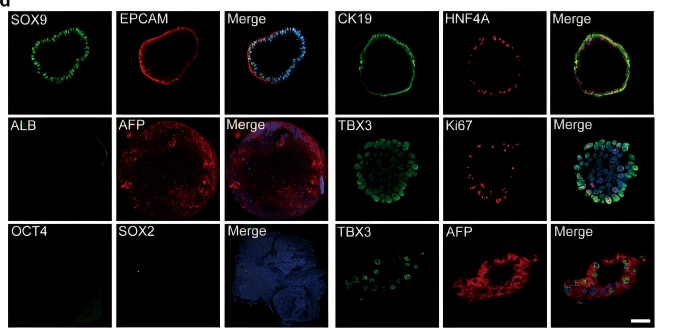
Fig.2 Scalable liver like organs derived from human embryonic stem cells
(The figure is sourced from Cell Res[3])
2.3 Kidney Organoids
Kidney organoid models simulate human kidney development in vitro, capable of self-organizing into complex three-dimensional tissues containing multiple nephron structures. Podocytes, key components of the glomerular filtration barrier, express maturity markers including the transcription factor WT1 and structural proteins NPHS1 and PODXL. Proximal tubule epithelial cells are specifically identified by LTL binding to their surface glycosylated receptors, with CUBN also serving as a complementary marker. Distal tubules express ECAD. PAX2, a critical transcription factor for early kidney lineage, is expressed in the early ureteric bud and mesenchyme but its expression becomes restricted in mature organoids.
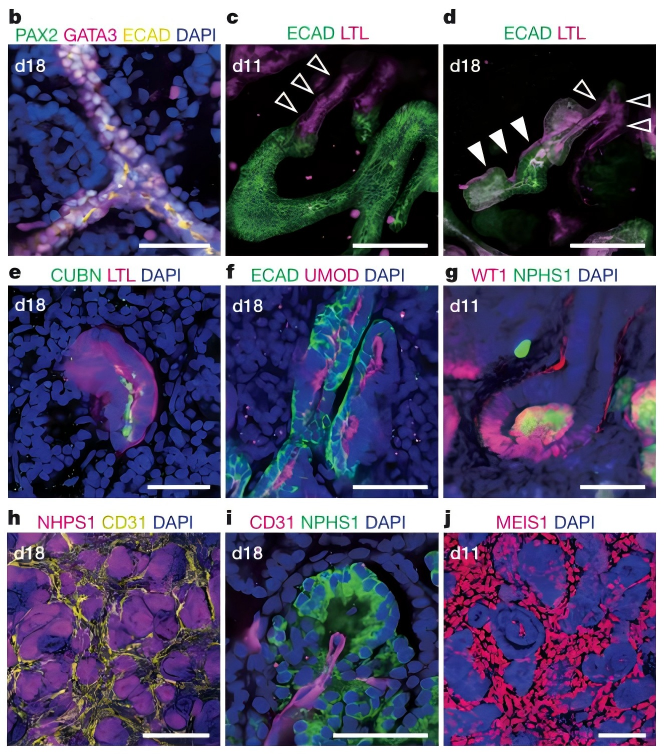
Fig.3 Kidney organoid gradually mature over time during the cultivation process
(The figure is sourced from Nature[4])
2.4 Intestinal Organoids
In intestinal organoid models, specific biomarkers for different cell types enable precise tracking of their development and differentiation. Intestinal stem cells located at the crypt base use LGR5 and OLFM4 as marker molecules, maintaining continuous self-renewal capacity. These stem cells, when differentiating towards the secretory lineage, form Paneth cells characteristically expressing LYZ and DEFA5/6. Another important secretory cell type is the goblet cell, primarily identified by the massive synthesis and secretion of mucin MUC2, while also highly expressing TFF3, collectively regulating mucus barrier formation. Enteroendocrine cells use CHGA and SYP as universal markers.
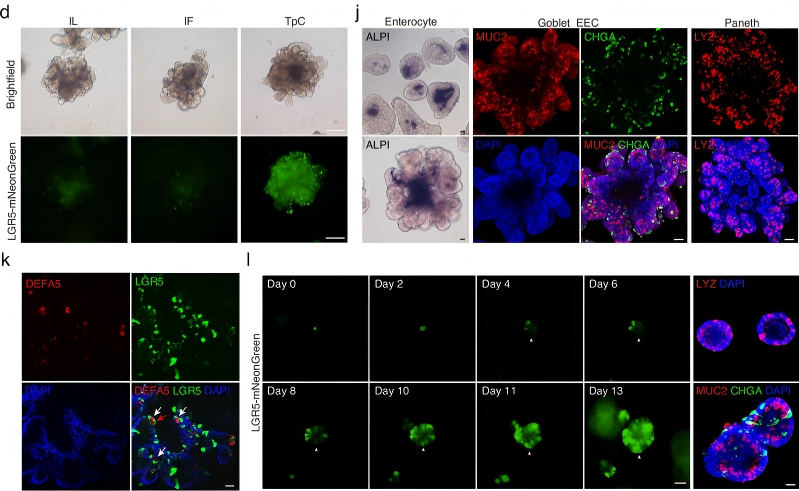
Fig.4 The optimized human intestinal organoids exhibit enhanced stemness and increased cell diversity
(The figure is sourced from Nat Commun[5])
2.5 Lung Organoids
Lung organoid models, simulating lung development in vitro, can differentiate into multiple specific cell types, with biomarkers exhibiting high spatiotemporal specificity: Early progenitor cells express SOX2 (distal airway) and SOX9 (multipotent progenitors). Basal cells specifically express TP63 and CK5. Ciliated cells highly express FOXJ1. Goblet cell marker is MUC5AC. Alveolar type II epithelial cells (AT2) specifically express SFTPC, ABCA3, and LAMP3. Alveolar type I epithelial cells (AT1) are characterized by HOPX, AQP5, and PDPN.
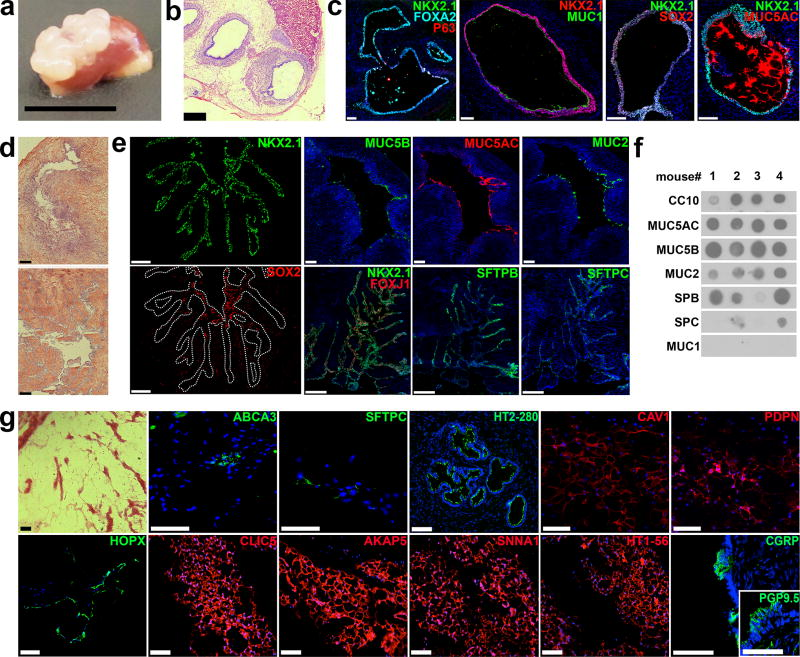
Fig.5 The differentiation potential of lung bud organoids in xenograft transplantation
(The figure is sourced from Nat Cell Biol[6])
2.6 Cardiac Organoids
Cardiac organoid models successfully simulate key processes of embryonic heart development in vitro, spontaneously forming complex structures with spatial compartmentalization. Cells in ventricle-like regions highly express MYL2 and IRX4. Atrial-like cells specifically express MYL7 and NR2F2. The outflow tract region is enriched with TBX1. Pacemaker cells (sinoatrial node-like cells) characteristically express HCN4 and TBX3. Regarding non-cardiomyocyte lineages, cardiac endothelial cells can be identified using surface markers such as CD31 and CDH5, while epicardial-like cells express WT1. Additionally, epicardium-derived fibroblasts express markers including vimentin (VIM) and THY1. Core cardiomyocyte markers such as TNNT2 are widely expressed in organoid cardiomyocytes.
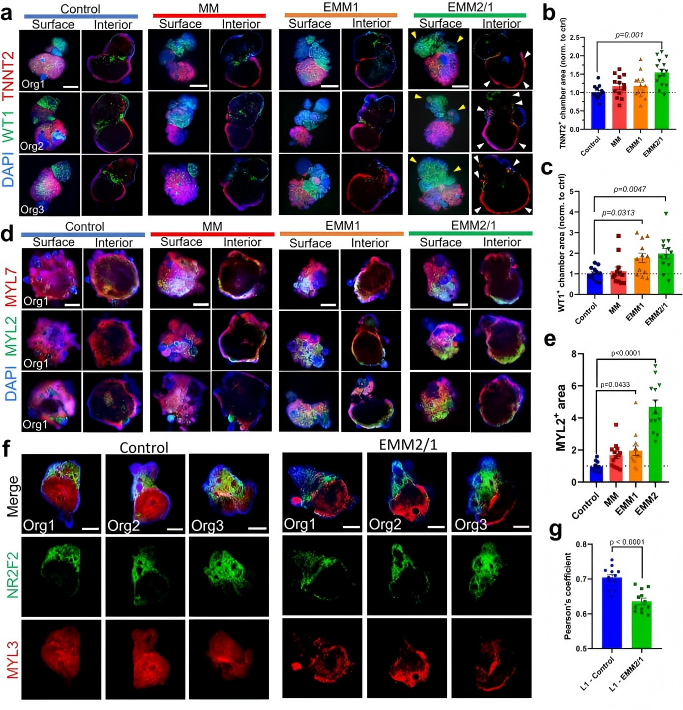
Fig.6 Developmental induction promotes the formation of atria and ventricles in cardiac organoids through self-organization
(The figure is sourced from Nat Commun[7])
2.7 Gastric Organoids
During the development and differentiation of gastric organoids, different cell types can be precisely identified using specific biomarkers: Surface mucous cells expressing MUC5AC form the protective mucus barrier of the gastric lumen, while glandular base mucous cells expressing MUC6 are located at the base of the glands. Chief cells are characterized by PGC and GIF, while parietal cells are identified by ATP4A/B ion channel proteins. G cells expressing GAST and D cells expressing SST represent functional neuroendocrine cell lineages in gastric organoids. Additionally, stem/progenitor cell populations typically co-express LGR5 and SOX2.

Fig.7 Fluorescence staining images of gastric organoids at different times after induction
(The figure is sourced from Front Cell Infect Microbiol[8])
2.8 Tumor Organoids
The specific biomarkers of different tumor organoid models accurately reflect the tissue origin, molecular subtype, and functional state of their corresponding primary tumors, forming the core foundation for organoid identity validation and functional studies. Colorectal cancer organoids typically highly express LGR5, OLFM4, Ki67, and CDX2[9]. Breast cancer organoids exhibit different markers including ERα, PGR, HER2, Ki67, EGFR, as well as ECAD and CK19, depending on their clinical molecular subtype[10]. Lung adenocarcinoma organoids often express TTF1 and Napsin A, while lung squamous cell carcinoma organoids characteristically express p40 and CK5/6[11]. Gastric cancer organoids commonly express CDX2, CK20, CK7, and CEA[12]. Common specific markers for liver cancer organoids include AFP, GPC3, CK19, and EpCAM[13]. Core markers in renal cancer organoid models are PAX8 and PAX2, expressed in nearly all renal cell carcinoma subtypes; on this basis, identification requires combining markers such as CA9, CD10, ECAD, and VIM[14]. These specific biomarker panels are not only used to confirm the fidelity and quality control of organoid models but also provide an indispensable molecular foundation for deeper understanding of tumor biology, screening targeted drugs, and predicting individual treatment responses.
3. Challenges and Prospects
One of the core challenges facing current organoid validation systems is the lack of standardization. The selection of organoid biomarkers often varies significantly due to differences in laboratory conditions, culture protocols, and stem cell sources. Furthermore, inherent differences in biomarker expression profiles exist across cell sources—PSC-derived organoids more closely resemble embryonic developmental states, while ASC-derived organoids more closely resemble adult homeostasis, requiring the use of corresponding physiological reference systems for validation. From a longer-term perspective, organoid validation strategies must move beyond the boundaries of morphology and basic biomarker detection. The integration of cutting-edge technologies such as multicomponent bioprinting, organ-on-a-chip co-culture, and multi-omics integrative predictions will, at the level of more precise specific validation and more reliable physiological simulation, ultimately determine whether organoids can truly take the critical step from "structural mimicry" to "functional replacement."
Cloud-Clone supports scientific research and provides relevant detection reagent products for a wide range of scientific researchers. The core product numbers of the relevant targets are as follows:
Organoid name | Specific Markers | Growth Factors | Organoid name | Specific Markers | Growth Factors | ||||
Target | core No. | Target | core No. | Target | core No. | Target | core No. | ||
Brain organoids | PAX6 | H446 | EGF | A560 | Colorectal cancer organoids | CDX2 | C370 | NOG | C130 |
Nestin | A500 | FGF2 | A551 | CK20 | B240 | EGF | A560 | ||
SOX2 | A406 | BDNF | A011 | β-catenin | B021 | RSPO1 | M171 | ||
TTR | A726 | NT3 | A106 | CEACAM6 | C980 | WNT3A | P155 | ||
DCX | C442 | FGF4 | A034 | OLFM4 | A162 | FGF2 | A551 | ||
TBR2 | K459 | FGF19 | C917 | MSH2 | J745 | FGF10 | B882 | ||
TUBb3 | E711 | NOG | C130 | VIL | C595 | ||||
SATB2 | K005 | TGFb1 | A124 | VIM | B040 | ||||
NKX2.1 | G782 | SHH | B831 | Ki-67 | C047 | ||||
GFAP | A068 | GDNF | A043 | Breast cancer organoids | PGR | B273 | NOG | C130 | |
OLIG2 | C690 | BMP7 | A799 | Ki-67 | C047 | EGF | A560 | ||
MBP | A539 | FGF8 | C908 | ERb | A437 | RSPO1 | M171 | ||
MAP2 | B329 | BMP4 | A014 | ERa | B050 | WNT3A | P155 | ||
RELN | C775 | CNTF | A021 | ErbB2 | B867 | FGF10 | B882 | ||
NCAD | B481 | DKK1 | A741 | p53 | A928 | FGF7 | A636 | ||
CALB2 | A687 | SDF1 | A122 | EGFR | A757 | NRG1 | B866 | ||
Liver organoids | EPCAM | B283 | EGF | A560 | GATA3 | A410 | RSPO3 | M173 | |
CK19 | B239 | FGF2 | A551 | CK8 | C025 | ||||
AFP | A153 | FGF10 | B882 | CK18 | B231 | ||||
ALB | B028 | NOG | C130 | CK19 | B239 | ||||
HNF4a | A418 | RSPO1 | M171 | CK14 | A522 | ||||
CYP3A4 | D299 | BMP4 | A014 | CK5 | A488 | ||||
SOX9 | G329 | FGF4 | A034 | TP63 | C805 | ||||
CK7 | A556 | TGFb1 | A124 | Lung cancer organoids | TITF1 | G782 | NOG | C130 | |
GFAP | A068 | TGFa | A123 | TP63 | C805 | EGF | A560 | ||
Des | A373 | BMP2 | A013 | CK5 | A488 | RSPO1 | M171 | ||
CD68 | B257 | HGF | A047 | NAPSA | C650 | FGF2 | A551 | ||
OSM | A110 | CK7 | A556 | FGF4 | A034 | ||||
DKK1 | A741 | KRAS | H751 | FGF10 | B882 | ||||
FGF7 | A636 | EGFR | A757 | FGF7 | A636 | ||||
WNT3A | P155 | Ki-67 | C047 | ||||||
BMP7 | A799 | SYP | A425 | ||||||
FGF19 | C917 | Gastric cancer organoids | CK7 | A556 | NOG | C130 | |||
ACVA | A001 | CK20 | B240 | EGF | A560 | ||||
Kidney organoids | WT1 | F116 | BMP4 | A014 | CDX2 | C370 | RSPO1 | M171 | |
NPHN | |||||||||